Vegan Finds Field Guide · Updated 24 October 2026 · Israel
What does innovation in vegan food actually look like in Israel? Sometimes it is a plant-based steak designed for a restaurant kitchen. Sometimes it is a bag of shelf-stable pea protein you can turn into kebabs at home. And sometimes it is an egg alternative or an entirely new approach to seafood texture. Those are very different solutions—and that is precisely why the Israeli plant-based food scene is worth exploring.
This independent guide introduces nine Israeli companies and brands with distinct approaches to food made without animal ingredients. It is not a paid ranking, a taste test, or a list of products guaranteed to ship internationally. Each entry links to a company or primary-source page so readers, journalists, restaurants and retailers can learn more. The distinctions between Israeli origin, local availability and international distribution matter: a brand being Israeli does not mean every product can be purchased in Israel or abroad.
Quick comparison: nine approaches, not nine identical burgers
- Redefine Meat: plant-based cuts, steaks and restaurant-style meat alternatives.
- Creative Pea: shelf-stable pea-protein dry mixes for home cooking.
- Yo Egg: whole-style vegan eggs with a runny-yolk experience.
- Zero Egg: egg alternatives for scrambled, baked and food-service applications.
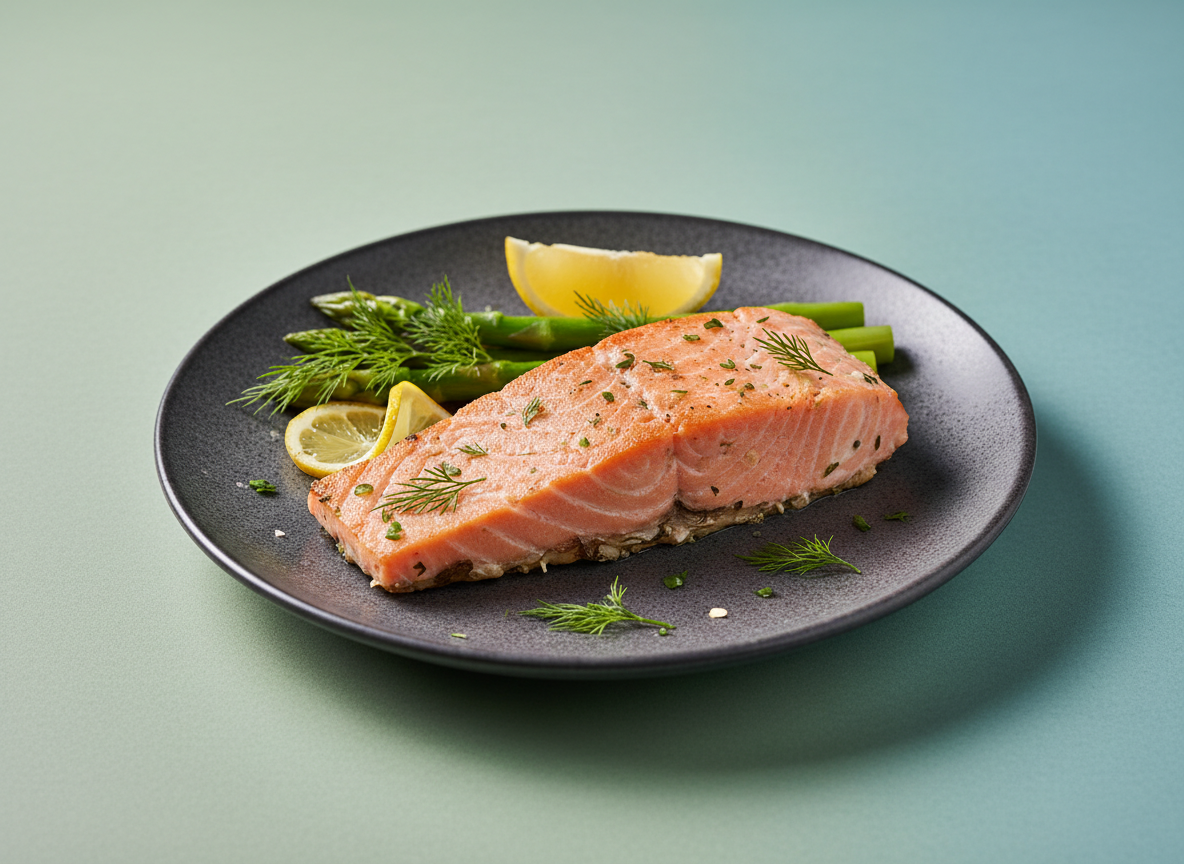
- Oshi: plant-based whole-cut fish-style fillets.
- Chunk Foods: fermented plant proteins formed into whole-cut meat-style products.
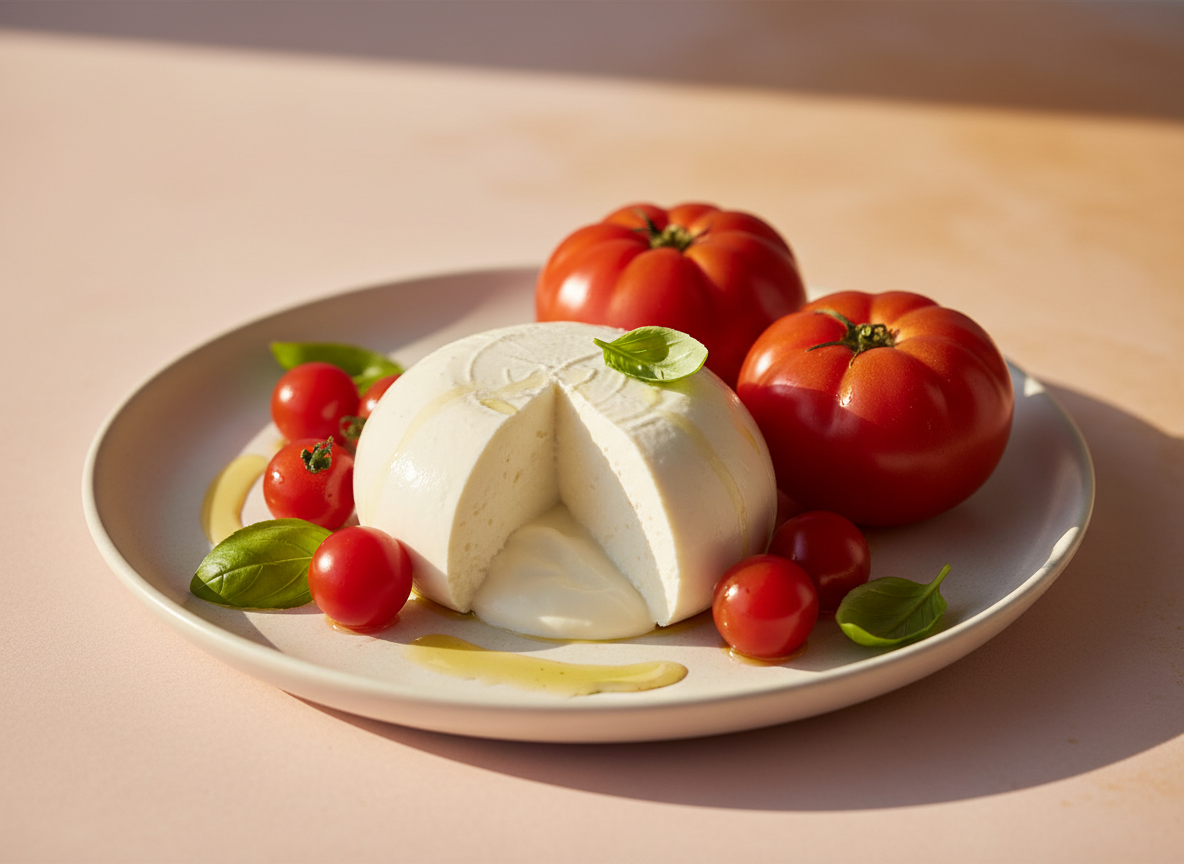
- Vgarden / Mashu Mashu: vegan cheeses, spreads and meat/seafood alternatives.
- Mama Q: artisanal-style plant-based cheeses.
- BioBeef: plant-based meat replacements designed for varied cuisines.
1. Redefine Meat: meat alternatives designed around cuts and texture
Redefine Meat treats the texture of meat as a design challenge. Its plant-based portfolio spans burgers and minced formats, but also steak-style cuts, pulled-beef-style pieces and shawarma-style products. Its approach combines food formulation with advanced manufacturing methods; 3D printing is one component of its broader technology story, not a claim that every SKU is printed in the same way.
Why it matters: when the format moves from a patty to a cut or pulled product, chefs can use familiar cooking techniques and build different menu experiences. For consumers, the relevant questions are which exact product is sold near them, how it should be cooked, the ingredients and allergen warnings.
Explore: Redefine Meat's current home-cooking product range and the company's explanation of its approach.
2. Creative Pea: an alternative to frozen ready-made patties
Creative Pea's BEEFFREE is an unusually practical format: a dry pea-protein-based mix, prepared with water and oil, that can be shaped into burgers, kebabs, meatballs and fillings. Its wider range also includes chicken-style and fish-style mixes. Unlike a finished frozen patty, the product requires mixing and cooking, giving the home cook control over shape and seasoning. The dry format can be stored without refrigeration before preparation, subject to the package instructions.
Why it matters: the innovation is as much about storage and customization as it is about protein. It can reduce freezer dependence while inviting a more hands-on style of vegan cooking. Do compare the price of the prepared dish, not just the powder weight, and read the actual ingredient list.
Explore: BEEFFREE manufacturer's product information and our Hebrew product introduction.
3. Yo Egg: rethinking the runny yolk without eggs
Yo Egg focuses on one of the most difficult things to reproduce in an egg substitute: a recognizable yolk and a complete egg-style presentation. The company highlights poached and sunny-side-up products made from plant ingredients, including soy and chickpea proteins. Its official product information also describes products still in development, so these should not all be presented as currently on sale.
Why it matters: an egg alternative is not always just something to scramble into a pan. The appearance, yolk-like texture and ability to sit on toast, rice or a restaurant plate become part of the food experience. Soy is a declared allergen in the company's FAQ, so this product is not suitable for everyone.
Explore: Yo Egg's current egg range and the brand's FAQ and ingredients explanation.
4. Zero Egg: an egg alternative for how kitchens actually operate
Zero Egg comes at the same problem from a different angle. The company describes plant-based egg solutions that can be used in scrambling, baking and professional kitchens. Its ready-to-heat scrambled product, for example, is listed as a frozen food-service format, while the wider brand focuses on familiar egg functionality from a combination of plant proteins.
Why it matters: restaurants and food-service buyers need consistency, clear reheating guidance and predictable portions. An ingredient designed to fit existing service workflows can matter as much as a breakthrough texture.
Explore: Zero Egg mission and founding story and scramble product specification.
5. Oshi: fish-style fillets built from plants
Oshi, which emerged from Israeli food-tech development under the Plantish name, works on whole-cut seafood alternatives. Its website currently showcases salmon-style and white-fish-style fillets with an emphasis on flakiness. This is different from fish-flavored nuggets or mince: the shape and texture are intended to work as a fillet on the plate.
Why it matters: consumers looking for fish alternatives often need more than a seafood-inspired flavor. A fillet format opens up searing, baking and restaurant-style plating. Oshi's online store and stock situation can change, and its U.S. retail presence should not be confused with verified availability in Israel.
Explore: Oshi's fish-style range and the Israel Innovation Authority's company listing.
6. Chunk Foods: a whole-cut approach using fermentation
Chunk Foods uses a proprietary fermentation process to transform plant proteins into products with the structure and culinary versatility of whole-muscle meat cuts. Rather than positioning the product only as a burger substitute, the brand emphasizes grilling, pan-searing, oven cooking and other methods familiar to professional and home cooks.
Why it matters: texture remains a central challenge for plant-based meat. Fermentation-led processes offer one way to address it, though the final product's ingredients and nutritional qualities should always be judged on its label rather than on the word 'fermented' alone.
Explore: Chunk Foods' product and company site.
7. Vgarden / Mashu Mashu: beyond one cheese substitute
Vgarden, based in Gan Shmuel in Israel, has worked across categories including plant-based cheeses and alternatives to meat and seafood. Its products and technology are associated with both consumer brands and business-to-business manufacturing, and the Israeli market knows the Mashu Mashu name. The product portfolio illustrates an important point: food innovation is not only about producing a meat-like cut; it is also about making dairy-free cooking practical at scale.
Why it matters: cheese functionality varies enormously. Meltability, spreadability, taste cold and suitability for food service are not interchangeable promises. Evaluate the exact product and its allergen label.
Explore: Israel Innovation Authority profile of Vgarden and GFI's company listing.
8. Mama Q: plant-based cheese as a craft category
Mama Q presents itself as an Israeli vegan cheesemaker using traditional cheesemaking approaches for plant-based products. Its identity emphasizes taste, texture and artisanal craft rather than a generic processed slice. The company publishes product information on its own site; claimed awards or taste preferences should be read as brand assertions unless independently verified.
Why it matters: specialty vegan cheese can be a discovery category of its own. Consumers may be willing to try a carefully positioned tasting board or a soft cheese-style product even if they have been disappointed by mass-market slices.
Explore: Mama Q's official site and product links.
9. BioBeef: vegan meat products designed for different cuisines
BioBeef describes a Tel Aviv-based plant-based meat manufacturing operation with products for several cooking styles and kitchen applications, from burger-like items to cuisine-specific preparations. Its website emphasizes work with restaurants, caterers and other professional kitchens.
Why it matters: an alternative-protein product is more useful when it fits a particular dish. A meat replacement for an Asian stir-fry, for instance, has different requirements from a kofta or a sandwich filling. As with any brand claim, actual ingredients, certifications and retail availability should be verified against the current product.
Explore: BioBeef's official overview and menu.
What this list does—and does not—prove
These businesses are not interchangeable. Some target home shoppers, while others focus on restaurants or food manufacturers. Some emphasize dry mixes, others fermentation or additive manufacturing; others concentrate on flavor and traditional cheesemaking. Those differences matter more than labeling every product simply 'vegan meat'.
- Country of origin is not distribution: a company founded in Israel may sell primarily abroad, and a product may be unavailable where you live.
- Plant-based is not always allergen-free: soy, peas, wheat, tree nuts and other ingredients may be present.
- Technology is not a taste test: we have not independently sampled these nine brands as part of this guide, so this is a discovery directory rather than a ranking.
- Environmental and nutrition claims are product-specific: evidence for one recipe or manufacturing method should not be generalized to an entire category.
How retailers, journalists and vegan travelers can use this guide
Retail buyers can use the list as a starting point for brand research: check whether there is a distributor in their country, request an up-to-date product sheet and confirm storage and allergen requirements. Writers can compare distinct technical approaches rather than producing another generic list of vegan burgers. Travelers to Israel can look for retailers and restaurant menus but should verify stock shortly before visiting.
For readers based in Israel, we also publish Hebrew product discoveries and recipe ideas on Vegan Finds. We are gradually adding 'where to buy' information when it can be confirmed from an official seller or retailer—not guessing when it cannot.
A note about this guide and how to help improve it
Vegan Finds is an independent, family-run vegan discovery site based in Kiryat Tivon, Israel. This article was compiled from public company pages and Israel Innovation Authority information, with sources linked alongside each entry. It is not sponsored, and inclusion does not imply a commercial relationship. Product status can change; we welcome factual updates from manufacturers, retailers and readers.
Know of a product launch, a correction or another Israeli vegan brand with a distinct idea? Get in touch and include a link to an official source. Browse the Hebrew vegan discoveries for more.
Further background
- Israel Innovation Authority: alternative protein ecosystem report (2024) — context for the country's sector, not a current headcount.
- Redefine Meat, Creative Pea, Yo Egg, Zero Egg, Oshi, Chunk Foods, Vgarden, Mama Q and BioBeef — primary product and company references.